 EN
 AR
 BG
 HR
 CS
 DA
 NL
 FI
 FR
 DE
 EL
 IT
 JA
 KO
 NO
 PL
 PT
 RO
 RU
 ES
 SV
 TL
 ID
 LT
 SR
 SK
 SL
 UK
 VI
 HU
 TH
 TR
 AF
 GA
 BE
 LA
 MN
 SU
 UZ
 XH


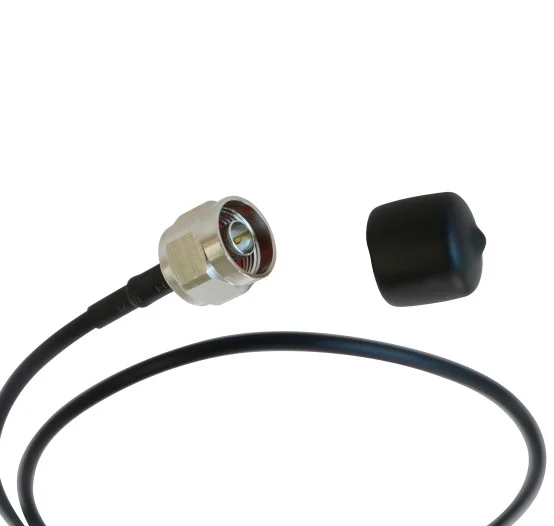
Low-Loss SMA RF Cable Assemblies are essential components for 5G base stations and antenna equipment, designed to minimize signal loss while ensuring high performance. In the evolving landscape of telecommunications, purchasing managers and engineers prioritize efficiency, reliability, and cost-effectiveness in their procurement processes. This article will provide a detailed understanding of Low-Loss SMA RF Cable Assemblies, focusing on cost savings, technical specifications, material advantages, installation guidance, and common issues, helping you make informed purchasing decisions.
Cost Savings on Low-Loss SMA RF Cables
Investing in Low-Loss SMA RF Cable Assemblies can lead to significant cost savings for businesses focused on telecommunications infrastructure. The primary advantage of these cables is their ability to maintain signal integrity over long distances, reducing the need for additional amplifiers or repeaters. This not only lowers installation costs but also minimizes ongoing operational expenses related to energy consumption and maintenance.
Furthermore, high-quality materials used in these assemblies can enhance durability, leading to fewer replacements and repairs over time. When evaluating total cost of ownership, consider not only the initial purchase price but also the long-term savings associated with reduced signal loss and extended product lifespan. Be sure to discuss these factors with your supplier to understand how they can impact your overall budget.
Technical Specifications of Low-Loss SMA RF Cable Assemblies Explained
Understanding the technical specifications of Low-Loss SMA RF Cable Assemblies is crucial for ensuring compatibility with your equipment. Key specifications include:
Frequency Range: These cables are designed for high-frequency applications, typically ranging from DC to 18 GHz. Verify that the frequency range meets the requirements of your specific use case, especially in 5G applications.
Insertion Loss: This parameter measures the amount of signal loss that occurs when the signal passes through the cable. Low-loss cables typically exhibit insertion losses of less than 0.5 dB per meter, which is essential for maintaining signal quality.
Return Loss: This indicates how much of the signal is reflected back towards the source. A high return loss (ideally greater than 20 dB) signifies good impedance matching, which is critical for optimal performance.
Impedance: Most RF systems operate at 50 ohms or 75 ohms. Ensure that the cable's impedance matches your system to avoid signal degradation.
Connector Type: SMA connectors are favored for their robust design and ability to handle high-frequency signals. Confirm that the connector type is compatible with your existing equipment.
By understanding these specifications, you can select the appropriate cable assemblies that will achieve peak performance in your telecommunications setup.
How to Evaluate Material Advantages of Low-Loss SMA RF Cables
The materials used in Low-Loss SMA RF Cable Assemblies significantly influence their performance and durability. Common materials include:
Dielectric Insulators: Typically made from materials such as PTFE (Polytetrafluoroethylene) or PE (Polyethylene), these insulators are crucial for maintaining signal integrity. PTFE offers lower loss characteristics and better thermal stability, making it ideal for high-performance applications.
Conductor Materials: Copper is the most commonly used conductor due to its excellent conductivity. Consider the conductor's gauge and plating, as thicker conductors generally result in lower resistance, enhancing overall performance.
Shielding: Effective shielding is vital for minimizing electromagnetic interference (EMI). Braided or foil shields can provide varying levels of protection. Assess the shielding effectiveness to ensure it meets your operational environment's requirements.
When selecting materials, consider the specific performance requirements of your application, including environmental factors such as temperature fluctuations and exposure to moisture. Discussing these material attributes with your supplier can help ensure you make the best choice for your needs.
Installation Guidance for Low-Loss SMA RF Cable Assemblies
Proper installation of Low-Loss SMA RF Cable Assemblies is critical to achieving optimal performance. Here are some essential installation tips:
Avoid Sharp Bends: When routing cables, maintain gentle curves rather than sharp bends, which can lead to signal loss and potential damage to the cable.
Use Proper Connectors: Ensure that connectors are properly mated and secured. Misalignment or loose connections can result in increased insertion loss and reduced reliability.
Cable Management: Implement effective cable management practices to prevent tangling or stress on the cables. This includes using cable ties or trays to organize runs and avoid unnecessary strain.
Testing After Installation: Conduct performance tests following installation to verify that the cables operate within expected parameters. This includes checking insertion loss, return loss, and overall signal integrity.
By following these guidelines, you can ensure that your Low-Loss SMA RF Cable Assemblies are installed correctly, maximizing their performance and longevity.
Common Problems with RF Cable Assemblies and Their Solutions
Even the best Low-Loss SMA RF cable connector types can encounter issues that could affect performance. Here are some common problems and their solutions:
Signal Loss: If you experience unexpected signal loss, check for physical damage to the cable, improper connections, or excessive bending. Inspect connectors for dirt or corrosion, as this can impact signal quality.
Interference: If interference is present, assess the shielding effectiveness. Ensure that the cable is properly grounded and consider using cables with better shielding if interference persists.
Connector Issues: Loose or damaged connectors can lead to poor performance. Regularly inspect and, if necessary, replace connectors to maintain optimal signal integrity.
Environmental Factors: Exposure to extreme temperatures or moisture can degrade cable performance over time. Choose cables rated for your specific environmental conditions and consider protective coverings if necessary.
By proactively addressing these common issues, you can maintain the reliability and efficiency of your Low-Loss SMA RF Cable Assemblies, ensuring consistent performance in your telecommunications applications.


