 EN
 AR
 BG
 HR
 CS
 DA
 NL
 FI
 FR
 DE
 EL
 IT
 JA
 KO
 NO
 PL
 PT
 RO
 RU
 ES
 SV
 TL
 ID
 LT
 SR
 SK
 SL
 UK
 VI
 HU
 TH
 TR
 AF
 GA
 BE
 LA
 MN
 SU
 UZ
 XH


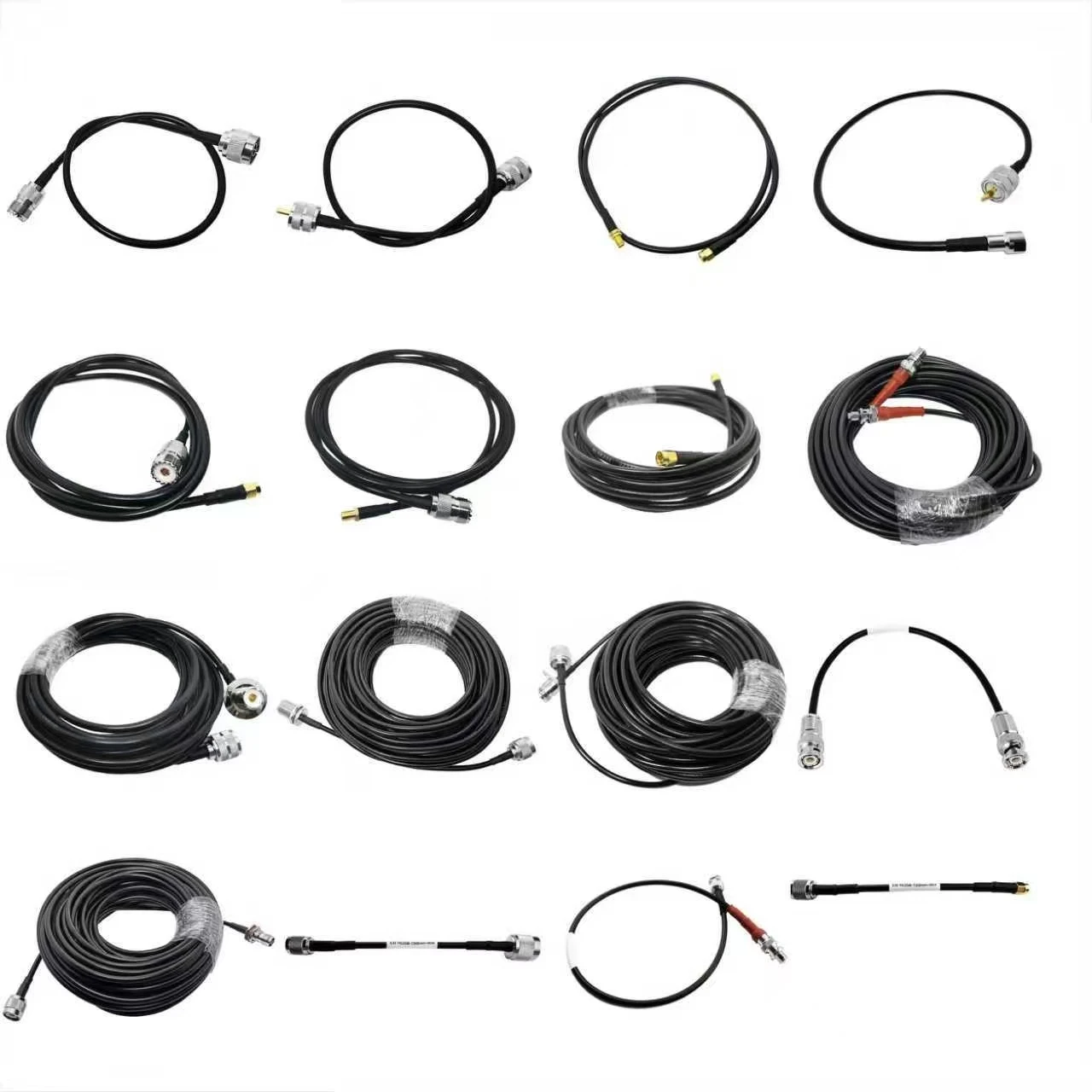
Custom cable assemblies are essential components in various industries, providing reliable connections for electrical signals and power transmission. The core components of these assemblies wire, connector, shield, jacket, and strain relief play a critical role in their performance and durability. For B2B buyers, understanding these components is vital to ensure the chosen cable assemblies meet their specific application needs, environmental conditions, and regulatory standards. This article will delve into these core components, helping you make informed decisions when sourcing custom cable assemblies.
How to Choose the Right Connector for Your Cable Assembly Needs
Selecting the right connector is crucial for ensuring compatibility and optimal performance of your cable assembly. Start by considering the following factors:
Type of Connection: Determine whether you need a male or female connector, or a specific configuration like panel mount or PCB mount. This affects how the connector interfaces with your devices.
Electrical Requirements: Review the voltage and current ratings of the connector. Ensure they align with the specifications of your application to prevent overheating or failure.
Environmental Conditions: Assess the operating environment. Connectors may require specific ratings for moisture, dust, and temperature. For instance, connectors used in outdoor applications should have weatherproof features.
Material Selection: The materials used for connectors, such as gold or tin plating, can impact conductivity and corrosion resistance. Choose materials that withstand the conditions of your application.
Customization Needs: Consider whether you require custom features like locking mechanisms or color coding. Customization can enhance usability and reliability in your specific application.
By evaluating these factors, you can select connectors that enhance the functionality and longevity of your cable assemblies.
Enhancing Signal Integrity in Cables
Signal integrity is paramount in ensuring reliable communication and performance in cable assemblies. To enhance signal integrity, consider the following practices:
Shielding: Proper shielding helps minimize electromagnetic interference (EMI) and radio frequency interference (RFI). Options include foil shields, braided shields, or a combination of both. Assess the environment where the cable will be used to determine the appropriate shielding type.
Twisted Pair Configuration: For signal cables, consider using twisted pair configurations. This design helps cancel out electromagnetic interference and improves overall signal quality.
Impedance Matching: Ensure that the cable and connectors maintain the same impedance to reduce signal reflection and loss. Mismatched impedance can result in degraded signal quality.
Quality Materials: Use high-quality materials for conductors, such as oxygen-free copper (OFC), which offers lower resistance and better conductivity. The choice of insulation material also affects capacitance and dielectric losses.
Testing and Validation: Conduct thorough testing using oscilloscopes or network analyzers to confirm signal integrity across the cable assembly. Regular testing can identify potential issues early, ensuring consistent performance.
Implementing these strategies will help maintain high signal integrity in your custom cable assemblies, improving their overall performance in critical applications.
Protecting Your Cable Assemblies from Damage
Coaxial cable assembly are often subject to various forms of damage during installation and operation. Protecting them is essential for ensuring longevity and performance. Here are some effective strategies:
Jacket Selection: Choose the right jacket material based on the application environment. For instance, thermoplastic elastomer (TPE) offers excellent flexibility and resistance to chemicals, while polyvinyl chloride (PVC) is suitable for general-purpose applications.
Strain Relief: Implement strain relief mechanisms to prevent cable damage due to bending or pulling. Strain relief can be achieved through molded boots or flexible grommets that absorb stress and prevent breakage at the connection points.
Routing and Support: Plan cable routing carefully to avoid sharp bends or kinks. Use cable ties, clamps, or trays to secure cables and maintain proper alignment, reducing the risk of damage.
Environmental Protection: In harsh environments, consider additional protective measures such as conduits or armored jackets. These can shield cables from abrasion, moisture, and chemicals.
Regular Inspection and Maintenance: Schedule regular inspections to identify wear and tear. Early detection of potential issues allows for timely repairs or replacements, minimizing downtime.
By taking these precautions, you can significantly enhance the durability and reliability of your cable assemblies, ensuring they perform optimally in demanding environments.
Common Problems with Cable Assemblies and Effective Solutions
Understanding common issues that arise with cable assemblies can help you address them proactively. Here are some frequent problems and their solutions:
Intermittent Connections: This can be caused by poor connector mating or damaged pins. Always inspect connectors for dirt or corrosion and ensure they are properly seated. Using gold-plated contacts can enhance reliability.
Signal Loss: Excessive signal loss often results from improper termination or inadequate shielding. Verify that all terminations are secure and compliant with specifications. If necessary, re-terminate the connections.
Mechanical Breakage: Cables may break from excessive bending or pulling. Implement strain relief techniques and follow recommended bend radius guidelines during installation.
Environmental Damage: Exposure to moisture or extreme temperatures can degrade cable performance. Selecting appropriate materials and implementing protective measures can mitigate this risk.
Compatibility Issues: Ensure that all components, including cables, connectors, and devices, are compatible in terms of voltage, current, and signal requirements. Conduct thorough testing before deployment.
By being aware of these common issues and implementing effective solutions, you can improve the reliability and performance of your cable assemblies.
Applications of Custom Cable Assemblies in Various Industries
Custom cable assemblies are vital across numerous industries, each with unique requirements. Here are a few key applications:
Telecommunications: In this sector, custom cable assemblies are used for data transmission and connectivity. They must ensure high signal integrity and withstand environmental challenges.
Automotive: In automotive applications, cable assemblies connect various electronic components, including sensors and control units. Durability and resistance to vibration and temperature extremes are critical.
Industrial Automation: Custom wire harness assembly in industrial settings support machinery and communication systems. They must be robust and able to handle high levels of electromagnetic interference.
Medical Devices: In the medical field, cable assemblies are used in diagnostic and therapeutic equipment. Compliance with strict regulatory standards and biocompatibility is essential.
Aerospace: Custom cable assemblies in aerospace applications must endure extreme conditions, including temperature fluctuations and exposure to radiation. Lightweight materials and high reliability are key considerations.
Understanding the specific applications of custom cable assemblies can help buyers select the right components tailored to their industry's demands, ensuring optimal performance and compliance with relevant standards.


