 EN
 AR
 BG
 HR
 CS
 DA
 NL
 FI
 FR
 DE
 EL
 IT
 JA
 KO
 NO
 PL
 PT
 RO
 RU
 ES
 SV
 TL
 ID
 LT
 SR
 SK
 SL
 UK
 VI
 HU
 TH
 TR
 AF
 GA
 BE
 LA
 MN
 SU
 UZ
 XH


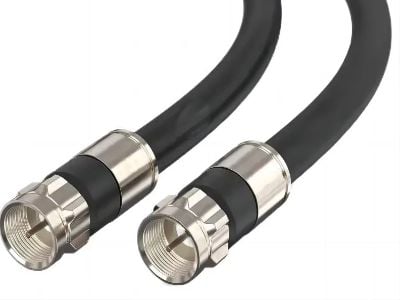
High-frequency microwave cable assemblies play a pivotal role in test and measurement instruments, ensuring precision and reliability in various applications. For purchasing managers, engineers, and product managers, understanding the specifications, material advantages, and proper selection criteria is vital. This article will guide you through the key aspects of high-frequency microwave cable assemblies, helping you make informed decisions that align with your operational needs.
Key Specifications to Consider
When evaluating high-frequency microwave cable assemblies, several specifications are crucial to ensure optimal performance. Key factors include:
Frequency Range: This determines the cable's ability to transmit signals without degradation. High-frequency cables are typically designed to operate in the GHz range, which is essential for applications in telecommunications and radar systems.
Impedance: Most microwave cables have a characteristic impedance of 50Ω or 75Ω. Selecting the correct impedance is critical to minimizing signal reflections and ensuring maximum power transfer.
Attenuation: This refers to the loss of signal strength as it travels through the cable. Lower attenuation values are preferred, particularly for long-distance applications, to maintain signal integrity.
Connector Types: Compatibility with connectors such as SMA, N-type, or BNC is essential for integration with existing systems. Ensure that the connector types align with your equipment specifications.
Temperature and Environmental Ratings: Depending on the application, cables may need to withstand extreme temperatures or exposure to moisture and chemicals. Verify the rg 58 cable rating to ensure durability in your operational environment.
Understanding these specifications helps buyers assess the suitability of cable assemblies for their unique applications, ensuring they meet performance requirements.
How to Choose the Right High-Frequency Microwave Cable Assemblies?
Selecting the appropriate high-frequency microwave cable assemblies involves several considerations:
Application Requirements: Identify the specific application for which the cable will be used. For instance, cables used in laboratory test instruments may have different requirements compared to those used in outdoor installations.
Customization Needs: Depending on the project, you may require custom lengths, specific connectors, or unique shielding options. Discuss your needs with the manufacturer to explore customization capabilities.
Quality Assurance: Choose a supplier with robust quality control processes. This includes inspections at various manufacturing stages and compliance with relevant certifications such as RoHS, UL, CE, and ISO, which indicate adherence to safety and performance standards.
Lead Times and MOQs: Assess the supplier's production capacity and lead times, especially if you require bulk orders. Understanding the minimum order quantities (MOQs) can also help in planning your procurement strategy.
Sample Approval: Before committing to a full order, request samples to verify the rg400 coax performance under actual operating conditions. This step can identify potential issues before mass production.
By following these guidelines, buyers can ensure they select high-frequency microwave cable assemblies that meet their technical and operational needs.
Applications of High-Frequency Microwave Cable Assemblies in Testing
High-frequency microwave cable assemblies are integral to various testing environments, including:
Telecommunications Testing: Used in the development and testing of communication devices, these cables ensure accurate signal transmission and reception, crucial for maintaining system integrity.
Aerospace and Defense: In radar and satellite systems, high-frequency cables support testing of communication systems, ensuring they meet stringent performance standards.
Automotive Testing: With the rise of connected vehicles, these antenna cable male to female assemblies are used to test communication systems within vehicles, ensuring reliability in high-speed data transmission.
Laboratory and Research: In R&D settings, these cables are vital for precise measurements and data collection in electromagnetic compatibility (EMC) testing and other experimental setups.
Understanding the specific applications helps buyers ensure they procure the right products tailored to their operational requirements.
Understanding Material Advantages of Microwave Cable Assemblies
The materials used in microwave cable assemblies significantly impact their performance. Some key considerations include:
Dielectric Material: Common dielectric materials include PTFE (Teflon) and foam polyethylene. PTFE offers low loss and stable performance at high frequencies, while foam PE provides lighter weight and flexibility.
Shielding: Effective shielding materials, such as copper or aluminum foil, protect against electromagnetic interference (EMI). The choice of shielding can affect signal quality and overall cable performance.
Conductor Material: The type of conductor, typically copper or aluminum, influences conductivity and signal loss. Copper conductors are preferred for high-performance applications due to their superior conductivity.
Temperature Resistance: Select materials that can withstand the operating temperature ranges of your application. Cables designed for higher temperatures ensure longevity and reliability in challenging environments.
By understanding these material advantages, buyers can make informed decisions that enhance the performance and reliability of their testing instruments.
Where to Find Bulk Orders for High-Frequency Microwave Cable Assemblies?
Purchasing high-frequency microwave cable assemblies in bulk can be streamlined by exploring the following options:
Direct Manufacturers: Engaging with manufacturers like Jiangsu Elesun Cable Co., Ltd. can provide access to competitive pricing, customization options, and quality assurance. Direct procurement often simplifies the ordering process and reduces lead times.
Distributors: Established distributors specializing in electronic components often carry a variety of cable assemblies and can facilitate bulk orders. They may also offer additional services such as warehousing and logistics.
Online Marketplaces: B2B platforms such as Alibaba or ThomasNet can connect you with multiple suppliers, allowing for price comparisons and reviews of different manufacturers.
Industry Trade Shows: Participating in trade shows related to telecommunications and electronics can provide opportunities to meet manufacturers, discuss requirements, and negotiate bulk orders directly.
When looking for bulk orders, always consider the supplier's reputation, quality controls, and ability to meet your specific needs. Establishing a strong relationship with a reliable supplier can enhance the purchasing experience and ensure you receive products that meet your standards. By understanding these aspects of high-frequency microwave cable assemblies, you can confidently navigate the procurement process, ensuring that you select products that meet your testing and measurement needs while maintaining quality and reliability.
Table of Contents
- Key Specifications to Consider
- How to Choose the Right High-Frequency Microwave Cable Assemblies?
- Applications of High-Frequency Microwave Cable Assemblies in Testing
- Understanding Material Advantages of Microwave Cable Assemblies
- Where to Find Bulk Orders for High-Frequency Microwave Cable Assemblies?


