 EN
 AR
 BG
 HR
 CS
 DA
 NL
 FI
 FR
 DE
 EL
 IT
 JA
 KO
 NO
 PL
 PT
 RO
 RU
 ES
 SV
 TL
 ID
 LT
 SR
 SK
 SL
 UK
 VI
 HU
 TH
 TR
 AF
 GA
 BE
 LA
 MN
 SU
 UZ
 XH


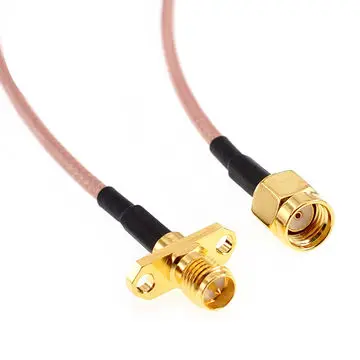
RF cable assemblies play a critical role in various communication systems, connecting devices and ensuring reliable signal transmission. This article will delve into the basics of RF cable assemblies, specifically focusing on SMA, FAKRA, and N-Type coaxial cable assemblies. For B2B buyers, understanding these products is essential for making informed purchasing decisions, as factors such as compatibility, quality, and application needs are paramount. By the end of this article, you will gain insights into the specifications and considerations necessary for sourcing RF cable assemblies effectively.
What to Look for When Sourcing RF Cable Assemblies for Your Projects
When sourcing RF cable assemblies, buyers should prioritize several key factors to ensure compatibility and reliability. First, consider the application requirements different cables serve various purposes, from telecommunications to automotive applications. Assessing the operating environment, such as temperature ranges and exposure to chemicals, is crucial to select the right materials and construction.
Another essential aspect is the connector type. SMA, FAKRA, and N-Type connectors have distinct advantages depending on the application. Buyers should also evaluate the cable assembly’s length, impedance, and frequency range to ensure optimal performance. Lastly, quality certifications, such as RoHS, UL, and ISO, can provide reassurance regarding product reliability and compliance with industry standards.
Key Specifications to Consider for SMA, FAKRA, and N-Type Cables
Understanding the specifications of SMA, FAKRA, and N-Type cables is vital for making informed decisions.
SMA Connectors
SMA connectors are designed for applications requiring high-frequency performance up to 18 GHz. Key specifications include:
Impedance: Typically 50 ohms, suitable for RF applications.
Frequency Range: Effective up to 18 GHz, making them ideal for microwave systems.
Material: Usually constructed from brass with gold plating, ensuring durability and corrosion resistance.
FAKRA Connectors
FAKRA connectors are often used in automotive applications, particularly for telematics and infotainment systems. Important specifications include:
Impedance: Generally 50 ohms.
Locking Mechanism: Features a mechanical latch to prevent disconnection during vibrations.
Environmental Resistance: Designed to withstand harsh conditions, making them suitable for outdoor applications.
N-Type Connectors
N-Type connectors are robust and suitable for high-power applications. Key specifications include:
Impedance: Typically 50 ohms, optimized for RF applications.
Frequency Range: Effective from DC to 11 GHz or higher, making them versatile.
Weather Resistance: Designed for outdoor use, providing excellent sealing against moisture and dust.
By understanding these specifications, buyers can ensure that their selected RF cable assemblies meet the specific needs of their projects.
RF Cable Assembly Suppliers You Can Trust
Choosing a reliable supplier for RF cable connector assemblies is crucial for ensuring consistent quality and performance. When evaluating suppliers, consider their manufacturing capabilities, certifications, and experience in the industry.
Look for companies that have a robust quality control process, ideally with certifications such as ISO 9001, which indicates a commitment to maintaining high standards. Additionally, inquire about their production capacity and lead times, as these factors can significantly impact project timelines.
It's also beneficial to assess the supplier's customization capabilities. A manufacturer like Jiangsu Elesun Cable Co., Ltd., with over two decades of experience in coaxial and signal control cable production, can often provide tailored solutions that meet specific project requirements. Lastly, consider their geographical presence and export experience, especially if you are sourcing internationally.
Common Problems with RF Cable Assemblies and Their Solutions
RF cable assemblies can encounter various issues during production and usage. Here are some common problems and potential solutions:
Connector Mismatch: Ensure that the connectors are compatible with the devices they will connect to. Double-checking the specifications and requiring samples before mass production can help avoid mismatches.
Signal Loss: High-frequency applications are particularly sensitive to signal loss. Ensure that the cable assembly’s length and impedance are appropriate for the application. If performance is not meeting expectations, consider using lower-loss materials or optimizing the assembly process.
Environmental Resistance: Inadequate sealing can lead to moisture ingress, affecting performance. Choose cables with appropriate weather-resistant features for outdoor applications, and verify with the supplier that the assembly meets environmental requirements.
Production Consistency: Variability in production can lead to inconsistencies in quality. Establishing a rigorous quality control process and conducting regular inspections can mitigate this issue.
By addressing these common problems proactively, buyers can enhance the reliability and performance of their RF cable assemblies.
Choosing the Right RF Cable Assembly for Your Specific Needs
Selecting the appropriate RF cable assemblies requires a detailed understanding of both technical specifications and application requirements. Begin by identifying the specific parameters of your project, including the required frequency range, connector types, and operational environment.
Next, consider the material selection for the cable insulation and shielding. The choice of materials will impact not only performance but also durability. For instance, cables that will be exposed to extreme temperatures or harsh chemicals may require specialized materials to ensure longevity.
It’s also essential to discuss customization options with potential suppliers. Custom lengths, specific connector configurations, and unique shielding requirements can often be accommodated by experienced manufacturers. Providing detailed information about your application such as intended use, environmental conditions, and volume requirements will enable suppliers to recommend the most suitable solutions.
Finally, always request samples before committing to mass production. This allows for real-world testing and ensures that the product meets all specified requirements.
By following these guidelines, buyers can confidently select RF cable assemblies that align with their project goals and operational needs.


