 EN
 AR
 BG
 HR
 CS
 DA
 NL
 FI
 FR
 DE
 EL
 IT
 JA
 KO
 NO
 PL
 PT
 RO
 RU
 ES
 SV
 TL
 ID
 LT
 SR
 SK
 SL
 UK
 VI
 HU
 TH
 TR
 AF
 GA
 BE
 LA
 MN
 SU
 UZ
 XH


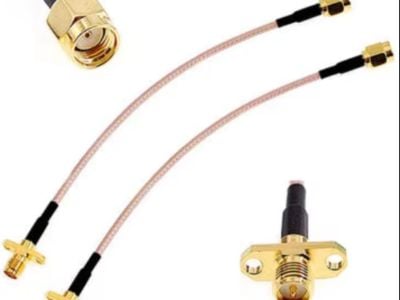
Understanding EV High-Voltage Cable Assemblies for Charging Systems
EV high-voltage cable assemblies are essential components in electric vehicle (EV) battery management and charging systems, facilitating the efficient transfer of power between battery packs, inverters, and charging stations. As the demand for electric vehicles surges, purchasing managers and engineers must prioritize key specifications and quality indicators to ensure reliability and performance. This article will delve into the critical aspects of EV high-voltage cable assemblies, including their specifications, installation challenges, cost factors, and material advantages, providing valuable insights for informed purchasing decisions.
Key Specifications for High-Voltage Cable Assemblies in EV Applications
When evaluating EV high-voltage cable assemblies, several specifications are crucial to ensure compatibility and safety in application. These specifications typically include voltage rating, current rating, conductor size, insulation material, and overall cable construction.
Voltage Rating: This indicates the maximum voltage the cable can safely handle. For most EV applications, cables are designed to support voltages ranging from 300V to 1000V. A voltage rating below the operational needs can lead to insulation failure and potential hazards.
Current Rating: The current rating defines the maximum continuous current the cable can carry without overheating. It is essential to choose a cable with an appropriate current rating that aligns with the expected load to prevent thermal damage.
Conductor Size: The conductor diameter affects the rf cable resistance and, consequently, its efficiency. Larger conductors can handle higher currents with lower resistance, reducing energy loss during transmission.
Insulation Material: Common insulation materials include cross-linked polyethylene (XLPE), which provides high-temperature resistance and excellent dielectric properties, and thermoplastic elastomers (TPE), known for flexibility. The choice of insulation material directly impacts the cable’s durability and performance in varying environmental conditions.
Cable Construction: Cables are often constructed with multiple strands to enhance flexibility, which is vital for installation in confined spaces. Additionally, the overall design should comply with safety standards like RoHS and UL certifications to ensure reliable performance.
When selecting high-voltage cable assemblies, consider these specifications in relation to the specific application requirements to ensure optimal performance and safety.
Common Installation Challenges with EV High-Voltage Cables and Solutions
Installing EV high-voltage cable assemblies presents various challenges that can affect system performance and safety. Here are some common issues along with practical solutions:
Space Constraints: EV installations often involve tight spaces, making cable routing difficult. To address this, manufacturers can produce custom-length cables tailored to specific installations, reducing excess length and minimizing potential tangling or damage.
Heat Management: High-voltage cables can generate significant heat during operation. Proper heat dissipation strategies, such as using heat-resistant insulation materials and ensuring adequate ventilation in the installation area, are critical. Buyers should consult with manufacturers about cable designs that incorporate thermal management solutions.
Connector Compatibility: Ensuring that connectors are compatible with both the cable assembly and the charging infrastructure can be a challenge. It is advisable to confirm connector types and specifications during the sourcing phase to avoid compatibility issues post-installation.
Environmental Factors: Exposure to moisture, chemicals, and extreme temperatures can compromise rg58 cable integrity. Selecting cables with suitable environmental ratings and protective coatings can mitigate these risks. For example, cables with IP67 ratings offer superior water and dust resistance, ideal for outdoor installations.
Testing and Quality Assurance: Before mass installation, conducting thorough testing of cable assemblies under actual operating conditions is crucial. Buyers should insist on performance testing data from manufacturers to validate the reliability of the cables.
By addressing these challenges through careful planning and collaboration with suppliers, installers can ensure a successful deployment of EV high-voltage cable assemblies.
Cost Factors to Consider When Purchasing EV Cable Assemblies Wholesale
Understanding the cost factors involved in purchasing EV high-voltage cable assemblies is essential for budget-conscious buyers. Here are the main elements influencing pricing:
Material Quality: The choice of materials significantly affects the overall cost. Higher-quality conductors and insulation materials may come at a premium but can reduce long-term operational costs by enhancing performance and durability.
Customization Requirements: Custom rg58 coax cable assemblies tailored to specific applications or connector types generally incur higher costs due to additional design and manufacturing processes. Buyers should weigh the benefits of customization against the potential for increased expenses.
Volume Discounts: Purchasing in bulk can lead to significant savings. Buyers should inquire about minimum order quantities (MOQs) and potential discounts for larger orders, which can help to lower per-unit costs.
Lead Time Considerations: Shorter lead times may incur additional costs. Buyers should balance the urgency of their needs with the potential for savings by selecting longer lead times when feasible, allowing for cost-effective production schedules.
Shipping and Logistics: The final price of cable assemblies can also be affected by shipping methods and logistics. Selecting local suppliers can reduce shipping costs and lead times, but buyers should assess the trade-offs between local and international suppliers based on pricing and availability.
By considering these cost factors, purchasing managers can make more informed decisions that align with their budgetary constraints while ensuring they acquire quality products.
Comparing Material Advantages of High-Voltage Cable Assemblies for EVs
The materials used in the construction of high-voltage cable assemblies play a pivotal role in determining their performance and longevity. Understanding the advantages of various materials can guide buyers in selecting the best option for their specific applications.
Copper vs. Aluminum Conductors: Copper conductors are widely regarded for their superior conductivity and lower resistance compared to aluminum. While copper cables may be more expensive, their efficiency can lead to energy savings over time. Conversely, aluminum cables are lighter and may be suitable for applications where weight is a critical factor; however, they may require larger diameters to achieve the same conductivity as copper.
Insulation Types: The choice between XLPE and TPE insulation materials has significant implications. XLPE offers excellent thermal stability and is more resistant to moisture, making it ideal for high-temperature environments. TPE is more flexible and easier to handle, which may be beneficial in installations requiring tight bends or complex routing.
Armoring and Shielding: In environments where cables are exposed to physical stress or electromagnetic interference (EMI), additional armoring or shielding can provide enhanced protection. Buyers should evaluate the necessity of these features based on the installation environment to ensure long-term reliability.
Environmental Resistance: Materials with high resistance to environmental factors such as UV radiation, ozone, and chemicals are crucial for outdoor applications. Selecting cables with appropriate environmental ratings can prevent premature degradation and ensure compliance with industry standards.
Cost vs. Performance: Ultimately, buyers must weigh the trade-offs between material costs and performance benefits. While premium materials can lead to higher initial costs, their impact on efficiency, safety, and longevity can justify the investment.
By carefully considering the advantages and implications of different materials, buyers can optimize their selection of EV high-voltage cable assemblies, ensuring they meet both performance requirements and budget constraints.


