 EN
EN
 AR
AR
 BG
BG
 HR
HR
 CS
CS
 DA
DA
 NL
NL
 FI
FI
 FR
FR
 DE
DE
 EL
EL
 IT
IT
 JA
JA
 KO
KO
 NO
NO
 PL
PL
 PT
PT
 RO
RO
 RU
RU
 ES
ES
 SV
SV
 TL
TL
 ID
ID
 LT
LT
 SR
SR
 SK
SK
 SL
SL
 UK
UK
 VI
VI
 HU
HU
 TH
TH
 TR
TR
 AF
AF
 GA
GA
 BE
BE
 LA
LA
 MN
MN
 SU
SU
 UZ
UZ
 XH
XH


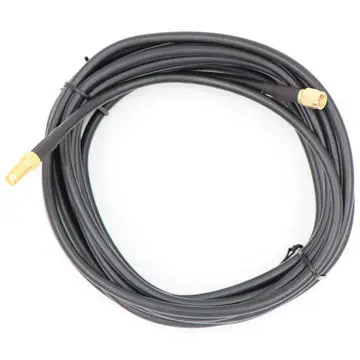
It is important to verify RF coaxial cable assemblies to its requirement of return loss and insertion loss. These are tests that ensure the coax cable, the path for RF (radio frequency) signals, is working the way it should. If these wires aren’t up to trunk, they can result in a low signal quality, which can compromise the function of the system of which they are a part. Therefore, testing of these cables is very important to avoid any kind of problems in the communication systems, where these types of cables are widely used.
RF Coaxial Cable Assemblies - Why It’s Important to Test Them
Checking of RF cable assemblies is particularly important – if those aren’t correct, they’ll mess with the signals they are supposed to transport. This can be a big problem, especially for systems that require clear signals being sent and received to function properly. Testing the cables ensures they do their job correctly, which helps ensure smooth operation of communication systems. Like making sure the pipes in your house aren’t leaking, so everything flows as it should.
The Within and Without of Return Loss Testing for RF Coaxial Cable Assemblies
Return loss testing is just trying to find out how much signal bounces back in a rg59 coaxial cable. If too much signal bounces back, it’s a bad thing, because it can interfere with communication. Testing the return loss shows us how well the cable is performing, or if it’s adding to our signal woes. Reopening the economy is sort of like testing whether a door closes tightly so no draft comes through.
Testing the Insertion Loss of an RF Coaxial Cable Assembly
Next, we will take into consideration insertion loss. This is done when a portion of the signal is lost during the transmission of the signal through the cable. We attempt to view the extent of the loss of signal, since excessive loss of signal may render the communication inefficient. Then to converse with your friend who is not close to your position on the other side of the field you must shout to your friend more but not too much because that will put a strain on your relationship and so you will have to raise your voice to a high pitch to reduce the strain. And that is what happens to a large degree with excessive insertion loss.
TE Control (FAQ's) – RF Coax Attenuation/ PIM Testing How to read Figures for RF Coaxial Cable Assemblies
After testing, you will find that you have some results, which will inform you about the performance of your cable. These tests are bewildering, and they will indicate whether the cable is good or not. When the readings of such readings fall within a given range, then the cable is okay. And in case it is not, it may need to be repaired or replaced. You are returning your test and are finding out whether you passed or whether you have to work even harder.
How to Improve Repeatability of RF Through the Coaxial Cable Assembly
To make sure that the coaxial cable assembly you have is not always performing according to what it actually needs, it is good to test and make, and use good coaxial cable raw material. However, in the testing, it is also extremely important to do the right things and do them the right way. It is like you have to bake cookies to get a good cookie, you must not only have the right ingredients, but you must be careful of the order in which you place them otherwise your cookies will either be burnt or undercooked, and so is your code, it will not be reliable unless you have set up your tests in the correct order.
Table of Contents
- RF Coaxial Cable Assemblies - Why It’s Important to Test Them
- The Within and Without of Return Loss Testing for RF Coaxial Cable Assemblies
- Testing the Insertion Loss of an RF Coaxial Cable Assembly
- TE Control (FAQ's) – RF Coax Attenuation/ PIM Testing How to read Figures for RF Coaxial Cable Assemblies
- How to Improve Repeatability of RF Through the Coaxial Cable Assembly


