 EN
EN
 AR
AR
 BG
BG
 HR
HR
 CS
CS
 DA
DA
 NL
NL
 FI
FI
 FR
FR
 DE
DE
 EL
EL
 IT
IT
 JA
JA
 KO
KO
 NO
NO
 PL
PL
 PT
PT
 RO
RO
 RU
RU
 ES
ES
 SV
SV
 TL
TL
 ID
ID
 LT
LT
 SR
SR
 SK
SK
 SL
SL
 UK
UK
 VI
VI
 HU
HU
 TH
TH
 TR
TR
 AF
AF
 GA
GA
 BE
BE
 LA
LA
 MN
MN
 SU
SU
 UZ
UZ
 XH
XH


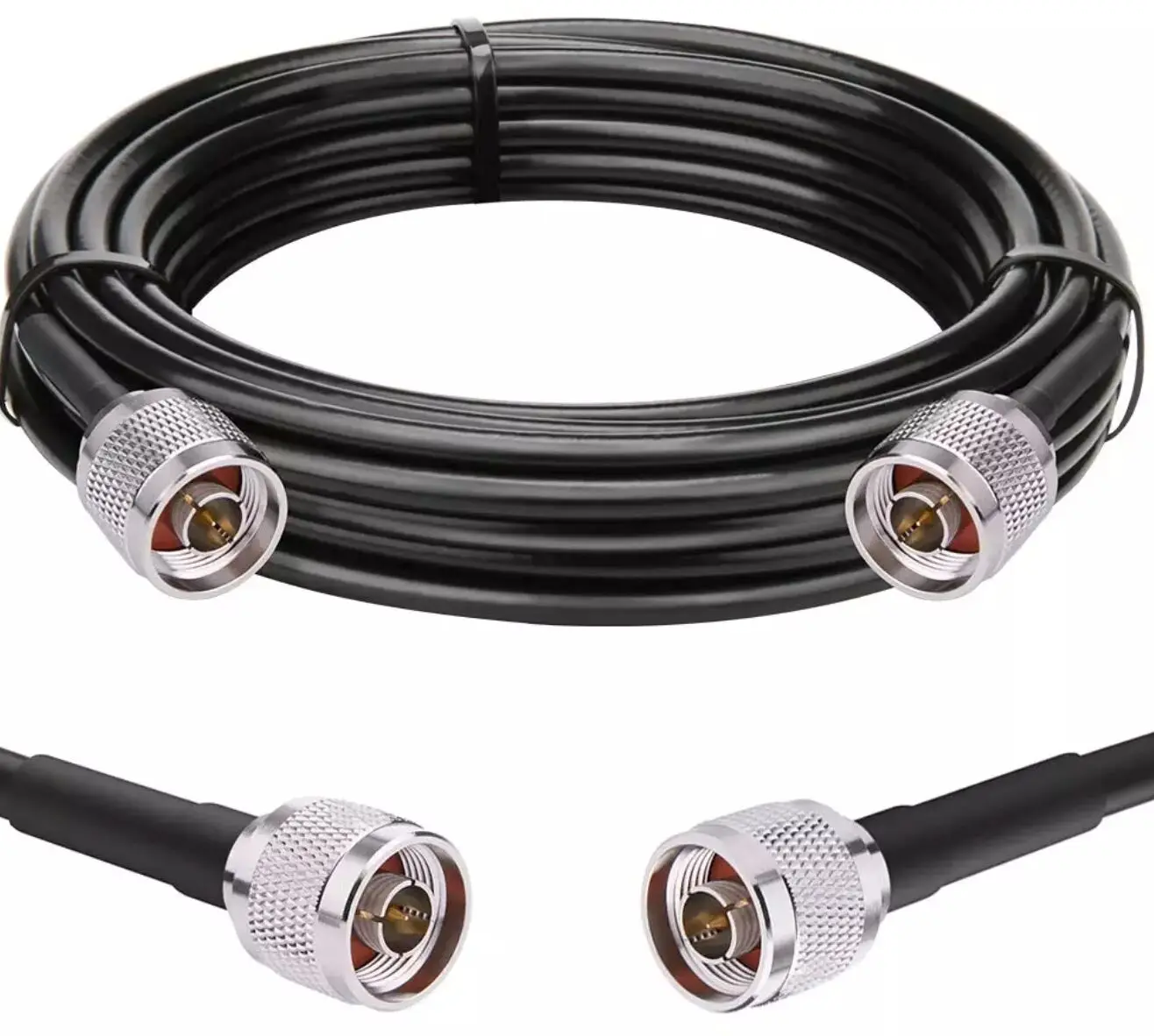
There are lots of things to consider when installing broadcast systems: One of them would be to ensure that the coaxial cables, which transmit these signals, are in fact in perfect operating order. Sometimes these cables can fail and affect the broadcast quality. There tend to be similar reasons why these failures occur and understanding how to avoid them can save a lot of headaches and money. Our brand Coaxial Cable strives to offer the best cables and solutions so you can forget the complications.
Learn the Top Five RF Coaxial Cable Failures
One of the issues of coaxial cable is that they can be easily broken. The outside could somehow be sliced or perforated, revealing the wires within. If they are not sealed properly, water can also get into the cables, causing corrosion or short circuits. Occasionally, the plugs that attach the cables to the speakers can wiggle out or have dirt and grime interfere with the signal. Another problem is that the cables can be too bent or twisted, which damages the internal structure. And, finally, if the cords are close to where other electronic stuff is, they will get interference.
Avoiding Loss and Interference in Your Broadcast System
In Order to make your broadcast system operate in the best condition, you will depend on the best quality Coaxial Cable and well shielding would be your first-choice interference from lines will reduce your speaker subwoofer amplifier or other source of disturbance is obvious. Ensure that the cable is not close to high-power, high-noise-source devices. Also, it’s a good idea to periodically test the connector and make sure everything is tight and clean. When installing cables outside, use cables that are rated for outdoor use, to prevent weather damage.
Tips on How to Preserve the Lifespan and Reliability of Your RF Coaxial Cables
Regular inspections are the secret to keeping your cables. Inspect the exterior of the cable for any wear and tear. If you do, replace the cable as soon as possible to prevent more problems. Protect the internal core structure, keep chorus cables in line and avoid bending too much. If you don’t use some cables, make sure you store them correctly in a cool, dry place so that they don’t end up getting ruined.
Before It Goes Too Far, Troubleshoot and Repair Your Bad Cable
If you educate your broadcast is nearing to acquire rid of, inspect the Coaxial Cable Assembly. Check all connections to be certain that everything is plugged in and the cords are not damaged. If a cord is damaged, have it replaced at once. In a few cases, you may be able to fix it by just securing a loose connector. If that doesn’t do it, you can also try using another cable to verify the issue lies with the cable and not something else within the setup.
Maximizing the Performance and Life of Your Broadcast System Through Good Cable Hygiene
When you use the very best coaxial cable products and you also take care of those products, it will make a big difference for your broadcasting system and for the life of that system. Make sure cables are installed properly and aren’t stretched or squeezed. Do not expose cables to extreme temperature and chemicals. By paying attention to those tips, your broadcast system can be up and running well for quite a long time to come.
Table of Contents
- Learn the Top Five RF Coaxial Cable Failures
- Avoiding Loss and Interference in Your Broadcast System
- Tips on How to Preserve the Lifespan and Reliability of Your RF Coaxial Cables
- Before It Goes Too Far, Troubleshoot and Repair Your Bad Cable
- Maximizing the Performance and Life of Your Broadcast System Through Good Cable Hygiene


