 EN
 AR
 BG
 HR
 CS
 DA
 NL
 FI
 FR
 DE
 EL
 IT
 JA
 KO
 NO
 PL
 PT
 RO
 RU
 ES
 SV
 TL
 ID
 LT
 SR
 SK
 SL
 UK
 VI
 HU
 TH
 TR
 AF
 GA
 BE
 LA
 MN
 SU
 UZ
 XH


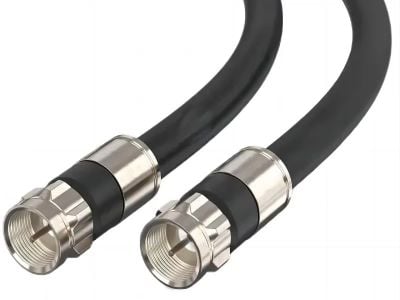
Low-temperature resistant cable harnesses are essential components for new energy commercial vehicles, providing reliable electrical connections in demanding environments. As B2B buyers, such as purchasing managers and product engineers, your main concerns likely revolve around material performance, installation compatibility, and the overall durability of these harnesses in low-temperature applications. This article will guide you through the critical aspects to consider when selecting and sourcing low-temperature resistant cable harnesses, ensuring you make informed purchasing decisions.
What to Look for in Cable Harnesses?
When selecting a low-temperature resistant cable harness, several key specifications and features should be evaluated:
Material Composition: The materials used in the cable harness must be capable of withstanding low temperatures without becoming brittle or losing conductivity. Common materials include thermoplastic elastomers (TPE) and polyvinyl chloride (PVC), which maintain flexibility and performance in cold environments.
Temperature Rating: Each harness should have a specified temperature rating, indicating the minimum and maximum temperatures at which it can operate effectively. Look for products tested to meet specific industry standards, ensuring they can handle extreme cold.
Wire Gauge and Insulation: The wire gauge affects the current-carrying capacity and flexibility of the harness. Additionally, proper insulation is crucial for preventing short circuits and ensuring safety in challenging conditions.
Sealing and Protection: Evaluate the sealing methods used to protect the harness from moisture and contaminants. IP ratings (Ingress Protection) will indicate the level of protection against dust and water.
Certification and Compliance: Look for harnesses that meet industry certifications such as RoHS and UL, as these ensure adherence to safety and environmental standards.
By focusing on these factors, you can better assess the suitability of a cable harness for your specific application.
Where to Source Reliable Low-Temperature Resistant Cable Harnesses?
Sourcing high-quality low-temperature resistant cable harnesses requires careful consideration of potential suppliers. Here are some effective strategies:
Industry Trade Shows: Attending industry-specific trade shows is an excellent way to meet manufacturers and suppliers face-to-face. This allows you to inspect product samples, discuss specifications, and establish relationships.
Online Marketplaces and Directories: Websites like Alibaba, ThomasNet, and industry-specific directories often list reputable suppliers. Look for those with positive customer reviews and verified credentials.
Manufacturer Websites: Companies like Jiangsu Elesuncablerg174u 50ohm Co., Ltd. provide detailed information about their product offerings, including low-temperature resistant cable harnesses. Review their certifications and product specifications to ensure they meet your requirements.
Request Samples: Before making a bulk purchase, request samples to evaluate the product quality and performance in real-world conditions. This step is crucial to confirm that the harness meets your operational needs.
Networking and Referrals: Leverage your professional network to seek recommendations for reliable suppliers. Colleagues who have experience in similar projects can provide valuable insights.
By employing these strategies, you can identify trustworthy suppliers that can deliver the components you need.
Wholesale Options for Low-Temperature Resistant Cable Harnesses
Purchasing low-temperature resistant cable harnesses in bulk can lead to significant cost savings. Here are some key considerations for wholesale procurement:
Minimum Order Quantities (MOQ): Many manufacturers have minimum order quantities. Understanding these requirements will help you gauge the feasibility of placing a wholesale order based on your project needs.
Pricing Structures: Prices per unit often decrease with larger orders. When negotiating, inquire about bulk discounts and payment terms that can make the procurement process more cost-effective.
Customization Capabilities: Some manufacturers may offer customization options for CABLECOAXIAL 50ohm rg58 harnesses, allowing you to tailor specifications to suit your specific application. Communicate your requirements clearly to ensure you receive accurate quotations.
Lead Times: Discuss lead times for production and delivery, as these can vary significantly depending on the manufacturer and order size. Ensure that timelines align with your project schedules.
Reputation and Reliability: Before finalizing a wholesale order, verify the supplier's reputation through references and reviews. Reliable manufacturers will have a track record of on-time deliveries and consistent product quality.
By keeping these factors in mind, you can streamline the wholesale purchasing process and secure the best possible deal.
Installation Guidance for Low-Temperature Resistant Cable Harnesses
Proper installation of low-temperature resistant cable harnesses is crucial for optimal performance. Here are some essential guidelines:
Preparation: Before installation, verify that all components, including connectors and mounting points, are clean and free of contaminants. This step ensures a secure connection.
Temperature Considerations: If the installation occurs in extremely low temperatures, allow the harness to acclimate to the environment to prevent material brittleness during handling.
Routing and Securing: Plan the routing of the harness to avoid sharp edges and potential pinch points. Use appropriate clamps and ties to secure the harness without applying excessive pressure, which could damage the insulation.
Testing Connections: After installation, conduct thorough testing of all connections. This step helps identify any potential issues before the vehicle is put into operation.
Documentation: Keep detailed installation documentation, including schematics and specifications. This information is invaluable for future maintenance and troubleshooting.
Following these guidelines will help ensure that your cable harness operates efficiently in low-temperature environments.
Common Problems with Cable Harnesses and Effective Solutions
Cable harnesses can encounter various issues, particularly in demanding applications. Here are some common problems and their solutions:
Brittleness in Cold Temperatures: One of the most significant issues with low-temperature applications is the brittleness of materials. To mitigate this, always select harnesses made from materials specifically rated for low-temperature use, such as TPE or specialized PVC blends.
Moisture Ingress: Water ingress can lead to corrosion and electrical failures. Ensure the harness has adequate sealing, and utilize IP-rated connectors to protect against moisture.
Poor Connectivity: Improper installation can result in loose connections. Regularly inspect harness installations and ensure that all connectors are securely fastened and properly aligned.
Wear and Tear: Continuous movement and exposure can cause wear on rg58 equivalent cable insulation. When sourcing harnesses, consider those with enhanced abrasion resistance and robust insulation materials.
Electrical Interference: In environments with high electromagnetic interference (EMI), shielding may be necessary. Evaluate if your harness design includes appropriate shielding to protect signal integrity.
By recognizing these common issues and implementing effective solutions, you can enhance the reliability and longevity of low-temperature resistant cable harnesses in new energy commercial vehicles.


